The Ultimate Guide To Watermelon Fertilizer
Watermelons are a delicious and refreshing summer treat, but they can be tricky to grow. One of the most important factors in growing a successful watermelon crop is providing the plants with the right nutrients. Watermelons need a balanced diet of nitrogen, phosphorus, and potassium (NPK), as well as other micronutrients.
In this blog post, we will discuss the importance of watermelon fertilizer, the different types of fertilizer available, and how to fertilize watermelon plants. We will also provide some tips on how to avoid over-fertilizing your watermelon plants.
Why is watermelon fertilizer important?
Watermelons are heavy feeders, meaning they need a lot of nutrients to grow and produce fruit. The amount of fertilizer that a watermelon plant needs will vary depending on the soil quality, the size of the plant, and the climate. However, in general, watermelon plants should be fertilized every two to four weeks throughout the growing season.
Nitrogen is essential for plant growth and development. It helps to promote leaf production, which is important for photosynthesis. Phosphorus is important for root development and flowering. Potassium helps to improve plant health and resistance to disease.
In addition to NPK, watermelon plants also need other micronutrients, such as calcium, magnesium, and sulfur. These micronutrients are essential for plant health and can help to prevent diseases and pests.
What are the different types of watermelon fertilizer?
There are a variety of different types of watermelon fertilizer available, including organic and inorganic fertilizers. Organic fertilizers are made from natural materials, such as compost, manure, and fishmeal. Inorganic fertilizers are made from synthetic chemicals.
Organic fertilizers are a good choice for watermelon plants because they release nutrients slowly over time. This helps to prevent the plants from getting too much fertilizer, which can damage the roots.
Inorganic fertilizers are also effective, but they can release nutrients too quickly. This can cause the plants to grow too quickly and produce fruit that is not as sweet.
How to fertilize watermelon plants
The best way to fertilize watermelon plants is to use a balanced fertilizer with an NPK ratio of 1:0.7:2. This ratio provides the plants with the right balance of nitrogen, phosphorus, and potassium.
You can fertilize watermelon plants with a liquid fertilizer or a granular fertilizer. Liquid fertilizers are easy to apply, but they can be more expensive than granular fertilizers. Granular fertilizers are less expensive, but they can be more difficult to apply evenly.
To apply liquid fertilizer, simply mix the fertilizer according to the directions on the label and water the plants with the solution. To apply granular fertilizer, spread the fertilizer evenly around the plants and water it in.
How to avoid over-fertilizing watermelon plants
It is important to avoid over-fertilizing watermelon plants. Over-fertilizing can cause the plants to grow too quickly and produce fruit that is not as sweet. It can also damage the roots of the plants.
To avoid over-fertilizing, it is important to follow the directions on the fertilizer label. You should also fertilize the plants less often if the soil is already fertile.
Conclusion
Watermelon fertilizer is an important part of growing healthy and productive watermelon plants. By following the tips in this blog post, you can ensure that your watermelon plants get the nutrients they need to thrive.
Watermelons are a delicious and refreshing summer fruit, but they can be tricky to grow. One of the most important factors in growing healthy watermelons is fertilization. Watermelons need a balanced fertilizer that provides them with the nutrients they need to grow large and juicy fruits.
There are many different types of fertilizer available, so it can be tough to know which one is right for your watermelon plants. If you're not sure, I recommend visiting Garden Wiki. This website has a wealth of information on watermelon fertilizer, including the different types of fertilizer available, how to apply fertilizer to watermelon plants, and how much fertilizer to use.
The website also has a forum where you can ask questions and get advice from other watermelon growers. Whether you're a beginner or a seasoned pro, Garden Wiki is a great resource for everything you need to know about watermelon fertilizer.
FAQ of watermelon fertilizer
- What are the best nutrients for watermelon plants?
Watermelon plants need a balanced diet of nutrients, but they especially need potassium and phosphorus. Potassium helps the plants grow strong stems and leaves, while phosphorus helps the plants produce fruit. You can find potassium and phosphorus in most commercial fertilizers, or you can use organic fertilizers such as bone meal or fish emulsion.
- When should I fertilize my watermelon plants?
You should start fertilizing your watermelon plants about a month after planting. Fertilize them again every 2-4 weeks until the fruits start to develop. You can use a liquid fertilizer or a granular fertilizer. If you use a liquid fertilizer, dilute it according to the package directions. If you use a granular fertilizer, spread it evenly around the base of the plants and water it in well.
- How much fertilizer should I use?
The amount of fertilizer you need to use will depend on the size of your plants and the type of fertilizer you are using. Follow the directions on the fertilizer label to determine how much to use. In general, you should use less fertilizer if you are using a liquid fertilizer, and more fertilizer if you are using a granular fertilizer.
- What are the signs of a watermelon plant that needs fertilizer?
If your watermelon plants are not getting enough fertilizer, they may show signs of nutrient deficiency. These signs can include:
- Slow growth
- Yellowing leaves
- Stunted fruit development
If you notice any of these signs, it is time to fertilize your plants.
- What are the dangers of over-fertilizing watermelon plants?
Over-fertilizing watermelon plants can be just as harmful as under-fertilizing them. Too much fertilizer can damage the roots of the plants and cause them to wilt or die. It can also make the fruits taste bitter. If you think you may have over-fertilized your watermelon plants, flush the soil with water to remove the excess fertilizer.
Image of watermelon fertilizer
5 different images of "watermelon fertilizer" from Pinterest:
- A bag of watermelon fertilizer with the words "Watermelon Fertilizer" and "10-10-10" printed on it.
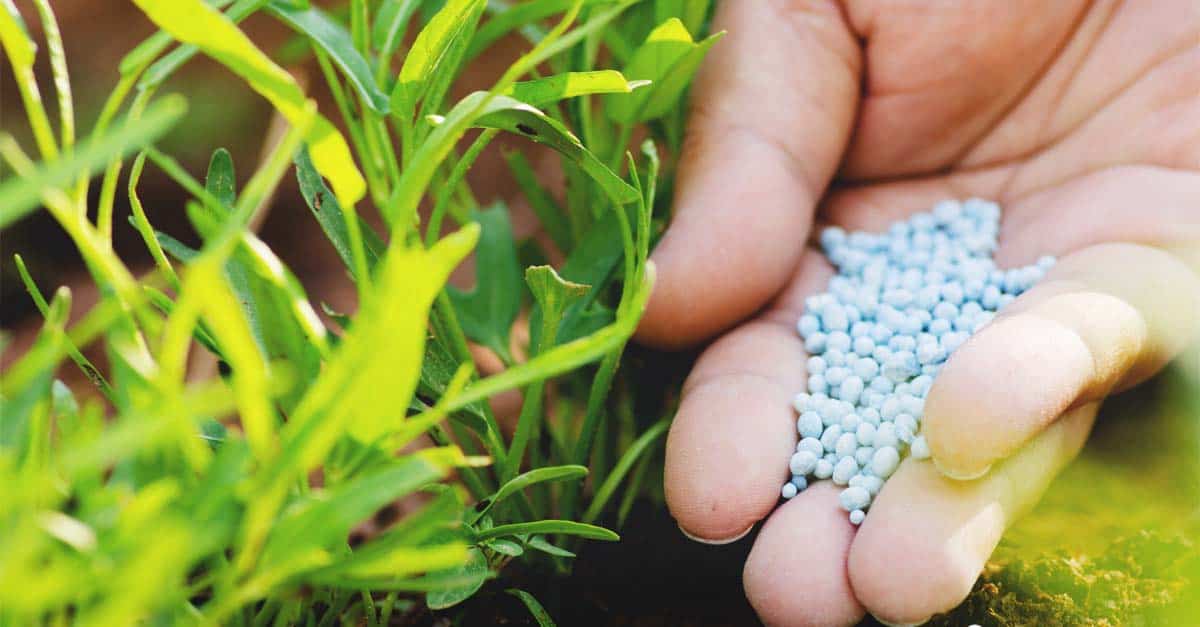
- A group of watermelon plants growing in a garden, with a person sprinkling fertilizer on the soil around them.

- A close-up of a watermelon plant's leaves, with fertilizer granules scattered on the soil around them.
- A watermelon slice with the words "Watermelon Fertilizer" written on it in icing.

- A person holding a watering can filled with fertilizer, about to water a watermelon plant.


Post a Comment for "The Ultimate Guide To Watermelon Fertilizer"